
DE | EN


The World of Plant Galls Nature photography with photo gallery, glossary and more


Cecidology, the Science of Plant Galls

Plant galls, also known as cecidia, are among the most fascinating phenomena in nature. They arise through interactions between plants and gall wasps, gall midges, gall mites, aphids, cicadas, fungi, bacteria or nematodes and are remarkable for the astonishing variety of forms they can take.

This website provides extensive information about cecidology, the science of plant galls. In addition to a large photo gallery, you will find detailed information about the various gall inducers and their host plants, as well as a continuously expanding glossary containing many specialist terms relating to plant galls and their inducers.

The photo gallery contains several thousand photographs covering plant galls, fungi, slime moulds, insects, spiders, butterflies, wild bees, beetles, and many other animals and plants from the natural world around us.

The photo gallery also documents many other organisms from the natural world around us, including fungi, slime moulds, insects, spiders, butterflies, beetles, true bugs, wild bees and numerous other animal and plant species. Most of the photographs are taken under natural conditions and are intended to show both the diversity of species and the beauty of the natural world around us.

Whether you want to identify plant galls, are interested in gall wasps, gall midges or gall mites, or simply want to discover the diversity of nature, I hope you enjoy exploring my website.


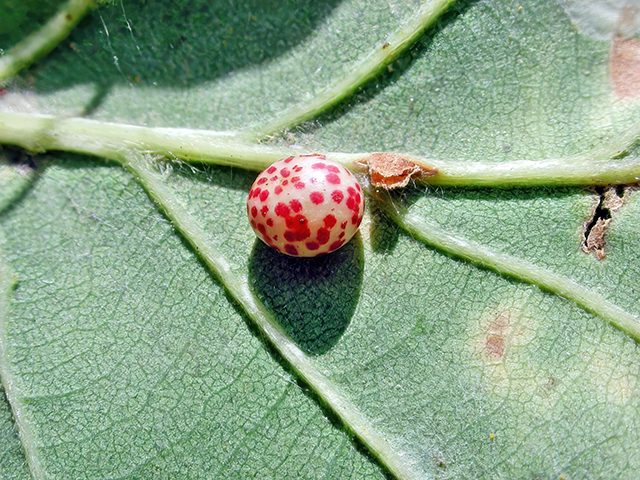
Andricus quercuscalicis
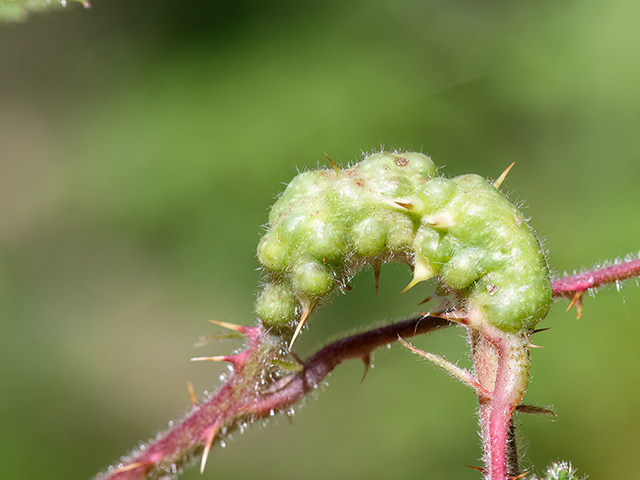
What Are Plant Galls?

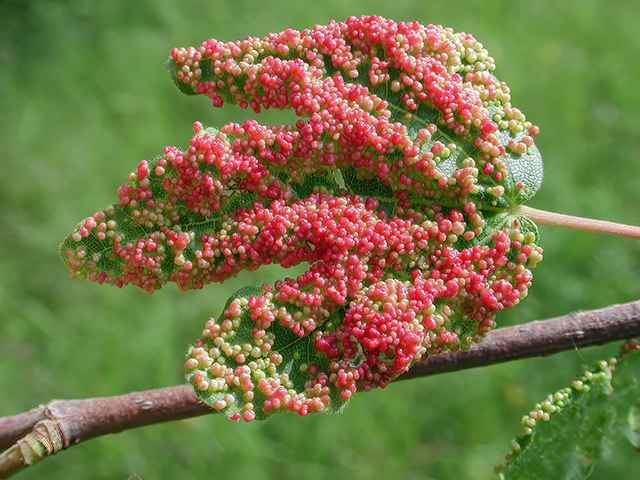
Fascinating growths, swellings, anomalies and more.

Learn More
 
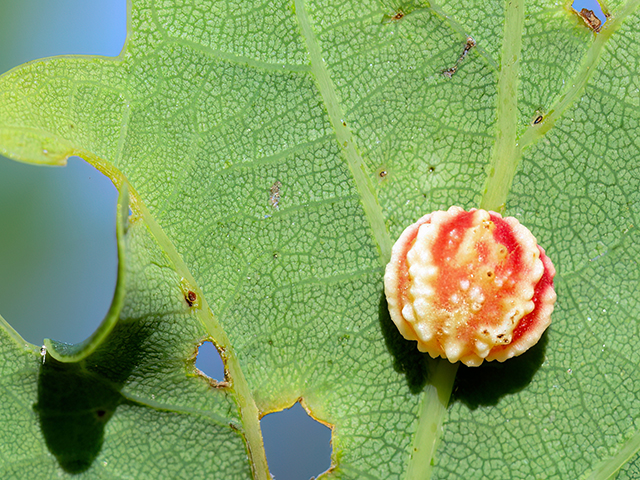
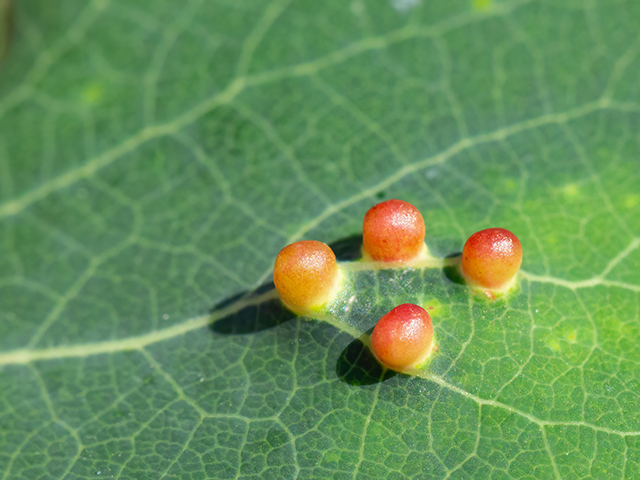
Cynips quercusfolii
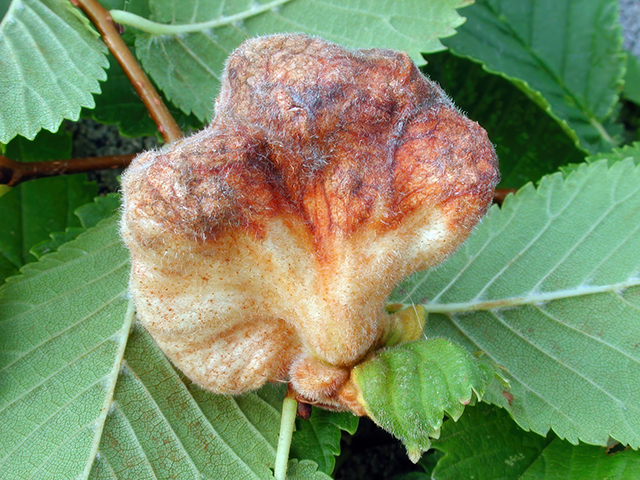
What Do They Look Like?

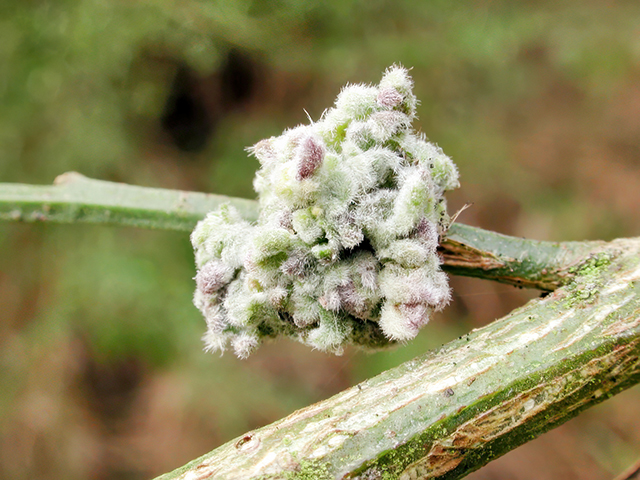
Sometimes pouches, sometimes caps, balls or felt-like patches.

Learn More
 
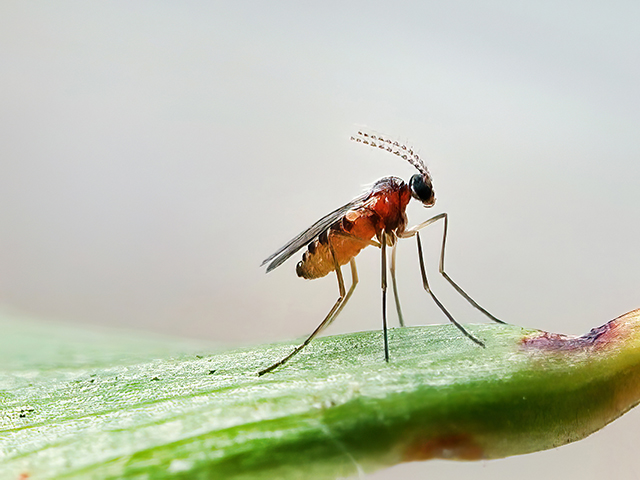
Gallmücke
Who Else Lives There?

The gall inducer is not the only inhabitant.

Learn More


Mein Hauptaugenmerk liegt zwar auf den Pflanzengallen, jedoch gibt es in meiner Bildergalerie eine Fülle an Bildern anderer Lebewesen der Natur zu sehen. Bevor ich mich intensiver der Cecidologie widmete, lag mein Fokus auf der Mykologie, der Wissenschaft von den Pilzen. Hier habe ich im Laufe der Jahre viele Arten aus den verschiedensten Gattungen fotografieren können. Während meiner Touren durch die Felder, Wiesen, Parkanlagen und Wälder, fielen mir dann auch irgendwann diese auffälligen Gebilde an Blättern der Bäume, Sträuchern, Blütenpflanzen und Gräsern auf. Es waren diese Pflanzengallen und ich wollte wissen was sich dahinter bzw. darin verbirgt. Mein Interesse war geweckt und fortan interessierte ich mich für die Bewohner dieser Gebilde, z.B. die Gallwespen und Gallmücken. Da sie zum Reich der Insekten gehören entwickelte sich im Laufe der Zeit auch das Interesse für andere Insektenarten. So kam eins aufs andere und hinzu kamen dann die Schmetterlinge, Wanzen und Käfer etc. Von nun an interessierte mich eigentlich alles was in der Natur vorkam. Ich kaufte mir eine gute Kamera und fotografiere seitdem alles, was mir vor die Linse kommt. Daher beherbergt meine Photo Gallery heute nicht nur Bilder von Pflanzengallen, sondern auch eine Menge anderer Bilder unterschiedlichster Lebewesen und es werden auch in Zukunft immer weitere Bilder hinzukommen. 
Fungi (Fungi) form the third major kingdom of eukaryotic organisms alongside animals (Animalia) and plants (Plantae). Slime moulds (Mycetozoa or Eumycetozoa) are a taxon of unicellular organisms whose way of life combines characteristics of both animals and fungi, but which belong to neither group. Despite their name, they are therefore not fungi. My photo gallery contains many species of basidiomycetes (Basidiomycota) and ascomycetes (Ascomycota), as well as a number of photographs of slime moulds (Mycetozoa, Eumycetozoa). So take a look into the world of mycology.
Schmetterlinge, Käfer, Vögel, Spinnen, Bienen, Wespen, Schweber, Hummeln, Fliegen, Libellen und Netzflügler, Grashüpfer, Schrecken und Grillen, Schnecken, Echsen und Schlangen, Amphibien, Hundert-, Tausend- und Doppelfüßer, Asseln, Ohrwürmer, Läuse, Milben, Zecken, Schaben, Wanzen, Zikaden, Blattflöhe. Viele Bilder von Arten dieser aufgezählten Ordnungen sind hier ebenfalls zu besichtigen. Oftmals verbringe ich viel Zeit und Geduld um z.B. bestimmte Insekten vor die Linse zu bekommen. Für viele Makroaufnahmen ist eine sehr ruhige Hand und ein gutes Auge nötig, da ich meine Bilder fast ausschließlich freihändig und ohne Blitz fotografiere, um sie möglichst natürlich darzustellen. Minutenlanger Aufbau von Stativen und anderen Equipement ist meist nicht möglich, da diese Tiere dann längst verschwunden sind.
Nun wünsche ich Ihnen aber viel Spaß beim Stöbern in der Bildergalerie der verschiedensten Lebewesen.


Logo
Copyright © 2026 - Volker Fäßler - Some Rights Reserved.